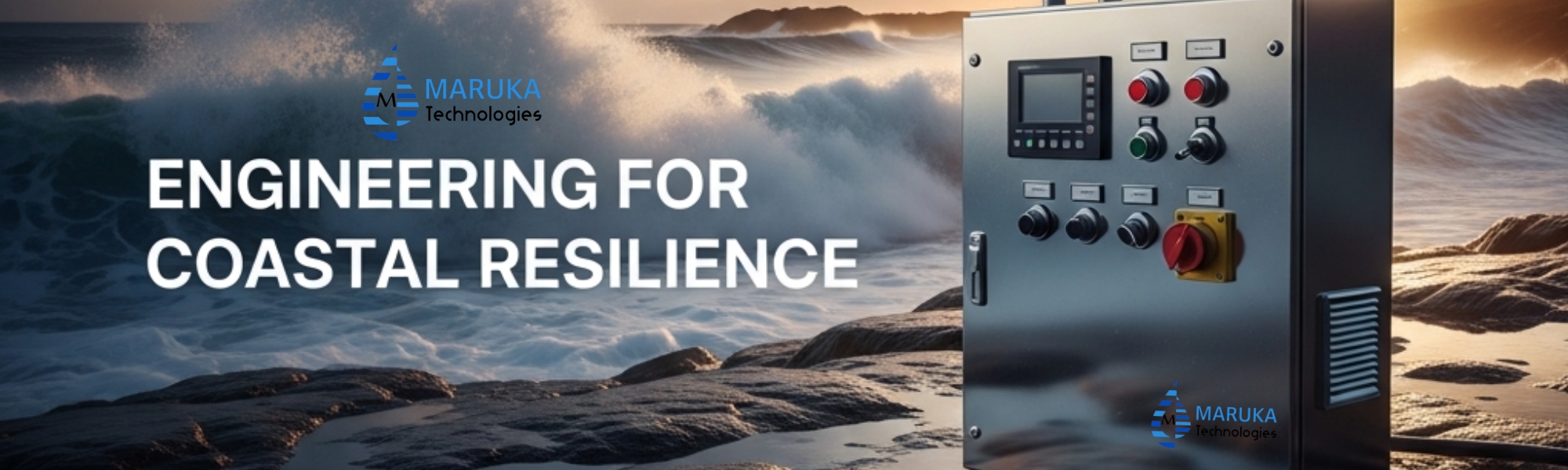
Engineering Panel Boards for Coastal and Harsh Environments
Primary Keyword Focus: Coastal Panel Board Engineering
Electrical switchgear is often the last consideration in major construction projects, yet its operating environment can dictate the success or failure of the entire installation. For projects situated near the sea or in chemically active industrial zones, the standard approach to panel board fabrication presents an unacceptable long-term risk.
Corrosion and moisture ingress are the silent enemies of sensitive electrical components. They lead directly to high maintenance costs, premature component failure, and dangerous system faults. Successfully deploying switchgear in such areas requires a commitment to engineering protocols that address these threats head-on.
The Challenge of Atmospheric Corrosion
Coastal environments, specifically, expose metal enclosures to a corrosive trifecta: salt spray, high humidity, and persistent heat. Standard industrial steel enclosures, even those with conventional paint finishes, will degrade rapidly. This degradation compromises the panel’s integrity, eventually failing the required IP (Ingress Protection) rating and exposing live components to moisture.
An electrical panel is only as secure as its enclosure. When the enclosure fails, the entire system is put at risk.
Maruka’s Solution: Specializing in Environmental Resilience
Maruka Technologies (Pvt) Ltd. approaches coastal and harsh-environment projects with specialized engineering protocols centered on two non-negotiable standards: material science and enclosure integrity.
- Material Specification for Longevity
To guarantee an enclosure’s lifespan against aggressive elements, we specify materials that resist chemical and atmospheric attacks.
- Standard: Standard mild steel enclosures, even when powder-coated, are insufficient near the sea.
- Maruka Protocol: For severe coastal installations, we rely on Grade 316 Stainless Steel. This alloy is specifically chosen for its superior resistance to chlorides and salts, which are the main culprits in marine corrosion. This material specification ensures the panel remains structurally sound and cosmetically resilient for decades, protecting the critical components inside.
- Advanced Enclosure Integrity (IP Rating)
Protecting internal components requires more than just a strong box; it demands precision sealing.
The IP rating is a quantifiable standard defining resistance to solids and liquids. For reliable coastal operation, we recommend and guarantee a minimum rating of IP65 for the entire enclosure. This rating signifies that the panel is totally protected against dust ingress and resistant to low-pressure water jets from any direction.
Maruka’s Enclosure Technology focuses not just on the sheet metal, but on the failure points: the door seals, ventilation gaskets, and cable entry points. We use continuous foam-in-place gasketing and certified cable glands to ensure the IP65 rating is maintained across the full lifespan of the panel, not just at the time of installation.
Engineering Beyond the Enclosure
While the enclosure stops environmental ingress, the long-term reliability of the system depends on internal design rigor. Our Coastal Panel Board Engineering further incorporates two critical factors:
- Component Selection: We only utilize components rated for high-humidity and high-temperature operation, minimizing the risk of premature component failure caused by environmental stress.
- Thermal Management: Even in corrosive environments, internal heat must be managed. We design active ventilation solutions—using specialized stainless steel hooded vents and corrosion-resistant fans—to circulate air and prevent thermal degradation while still maintaining the panel’s external IP integrity.
Choosing Maruka Technologies (Pvt) Ltd. for projects in severe environments is a commitment to capital preservation. We deliver switchgear engineered not just to meet the project specification, but to withstand the long-term operational reality of your site, guaranteeing system longevity and continuous performance.